The New Wave of Horror Games: Fear, Choice, and Consequences
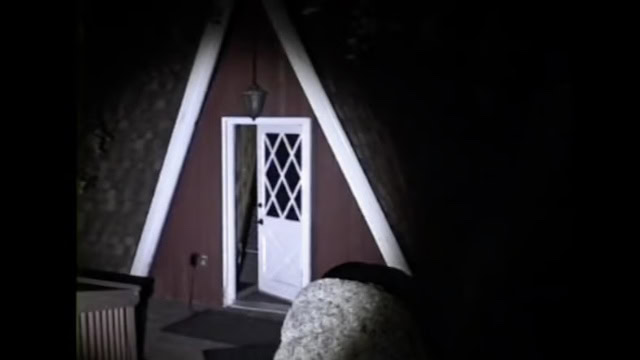
Horror games are changing again. The old tricks still work when they are used well. A dark hallway. A broken radio. A locked door. A shape moving in the corner of the screen. But newer horror games are putting more weight on what the player does, not just what the player sees.
That is why the next wave of horror feels so interesting. It is not only about louder scares or bigger monsters. It is about pressure. It is about choice. It is about asking players to make small decisions when they do not have enough time, ammo, light, or trust.
Horror Is Moving Past the Easy Scare
The jump scare is not gone
Jump scares still have a place. They can work when the timing is right. But players know the pattern now. A quiet room, a slow camera turn, then something screams. It can still make someone jump, but it does not always stay with them.
The stronger horror comes after the scare. It is the moment when the player has to keep moving. That is where games have a real advantage over films. A film can show fear. A game can make you carry it.
That same idea can even work in a casino-themed horror scene. Think of a bright machine, happy fruit symbols, and a cheerful sound loop that starts to feel wrong after midnight. A game like Hot Hot Fruit on Betway is not horror by itself, of course. But the shape of a casino floor, with flashing lights and repeated sounds, can be twisted into something strange when a horror game changes the mood around it.
Atmosphere now has to do more work
Modern horror games often rely on spaces that feel unsafe before anything attacks. The player hears something, but cannot place it. The map looks simple, but the route back has changed. The room is empty, but it feels watched.
That is the kind of fear that lasts longer. It gives the player time to think, and thinking is often worse than seeing the monster.
Choice Makes Fear Feel Personal
A bad decision can follow you
The new horror formula is less about running from danger and more about living with the choice you just made. Do you save your ammo or use it now? Do you help another character or stay safe? Do you open the door because the story wants you to, or because you cannot stand waiting anymore?
These are small choices, but they feel large in the moment. Horror works well when the player knows there may not be a clean answer.
Resident Evil Requiem is a good example of how major horror series are still leaning into survival pressure. The game was just released in February 2026, which puts it right in the middle of this newer horror push. The point is not just that another big sequel is coming. It is that survival horror keeps returning to the same core question: what do you do when every safe option is gone?
Consequences do not need to be huge
Not every consequence has to change the whole ending. Sometimes it is enough that the player used the last healing item too early. Or missed a note. Or made too much noise. These moments make the player feel responsible.
And that is why choice works so well in horror. Fear feels stronger when you helped create the problem.
Where Casino Horror Fits
A casino setting can work well in horror because it already has tension built into it. There are lights, sounds, clocks that seem to disappear, and the feeling that every choice is tied to risk. Turn that into horror, and the room becomes a trap instead of a place of play.
The idea of an online casino can also fit into modern horror gaming in a more digital way. A screen that keeps asking for one more click. A reward that looks harmless. A rule system that changes after the player agrees. Used carefully, this kind of casino angle can support the story without taking over the whole article or game.
The key is restraint. One cursed table, one strange machine, or one dealer who should not be there is enough. If the casino idea becomes the whole point, the horror can start to feel too obvious. But as a short section inside a wider horror game, it can add a sharp sense of risk.
The Return of Slow-Burn Fear
Silence is doing more than noise
Silent Hill f, released in 2025, shows how much room there still is for slower horror. Its setup uses fog, puzzles, grotesque creatures, and a town that feels wrong from the start. The official listing describes a story built around a hometown swallowed by fog and a fight to survive what waits inside it.
That kind of horror is not about speed. It is about mood. The player may not be attacked every minute, but the threat stays close. The quiet parts are not empty. They are doing work.
Players are part of the fear
A good horror game gives players just enough control to blame themselves. That is the trick. Too much control, and the fear disappears. Too little, and the player feels pushed around.
The new wave sits somewhere in the middle. You can fight, but not always. You can run, but not forever. You can choose, but the result may be worse than expected.
Why This Wave Feels Different
Horror gaming is not moving in one straight line. Big series are coming back. Smaller games are testing weird ideas. Some are built around combat. Others are built around hiding, sound, puzzles, or story.
But the stronger trend is clear. Fear is becoming more tied to player action. The monster matters, but the decision before the monster matters too. The locked door matters, but so does the choice to open it.
That is why fear, choice, and consequences make such a strong base for modern horror games. They turn the player from a viewer into a participant. And once that happens, every hallway feels longer, every sound feels closer, and every mistake feels personal.