
Rituals, Symbols, and the Strange Psychology Behind Online Casino Superstitions
Every serious casino player understands that the boundary between chance and control frequently blurs in unexpected and personal ways. It is fairly uncommon to witness someone caressing a rabbit’s foot before a blackjack hand, avoiding specific numbers, or even insisting on wearing “winning socks” while playing poker. These tiny rituals may appear weird, but they are rooted in a desire to influence the uncontrollable. As the digital casino space grows, superstitions have followed players onto screens, slot reels, and roulette tables alike.
Lucky Charms, Unlucky Numbers, and Psychological Anchors
Most gambling superstitions aren’t built on math or probability. They’re formed through repetition, emotion, and memory. Win a big pot while holding a coin in your shoe? That coin becomes sacred. Lose three spins after someone says “good luck”? That phrase becomes cursed.
In online settings, lucky charms still show up but differently. Players often carry real-life talismans while playing, or they prefer to spin reels on specific days, at specific times, or with specific color schemes. Some even refuse to play unless they’ve performed a ritual: opening and closing the tab three times, or clicking through their “losing” slots before hitting the one they believe pays out.
It’s not always about belief. Sometimes, it’s about creating a sense of control in an environment governed by randomness.
- Many players avoid the number 13 at all costs, even if the game has no connection to that number.
- Others swear by placing bets in repeating numbers like 7-7-7 or insist that red always “runs hotter” than black on virtual roulette wheels.
- A significant portion of slot players favor games that feature symbols considered lucky in their culture, such as four-leaf clovers, horseshoes, or dragons.
In online platforms, some software providers even capitalize on this. They design slots packed with “lucky” visuals to trigger the emotional comfort these symbols bring.
Superstitions Evolve in Digital Spaces
What happens when traditional cues from physical casinos (think dealer reactions, other players’ energy, the sound of chips) are replaced with graphics and algorithms? Superstition adapts.
In the world of Online Casino Games, belief systems have simply shifted focus. Players now obsess over things like:
- Timing the “perfect” spin to when the reels feel “hot”
- Rejoining games after a short “cooling off” period
- Avoiding games with “bad aura” graphics or music
- Only playing with the same avatar or username every session
These actions might seem irrational, but they offer a framework for consistency in a game where the outcome is fundamentally unpredictable. Patterns are comforting. Rituals are grounding. And in a digital world, even abstract rituals start to feel real.
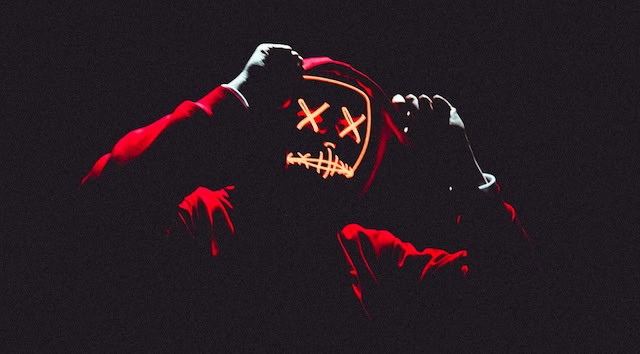
Horror Symbols in Online Gambling
Some players are warding off what they believe brings bad luck. Horror-themed slots and casino games walk a strange line. On one hand, they’re meant to thrill. On the other hand, they intentionally flirt with symbols long believed to carry bad energy: skulls, black cats, broken mirrors, and ominous ravens.
In Western folklore, these symbols are deeply connected to fear, misfortune, or death. Yet paradoxically, many online players choose these themes specifically because they embrace the thrill of danger. There’s an odd draw to playing with luck while visually confronting something traditionally unlucky.
Some horror-themed games even lean into this tension, loading screens with eerie soundtracks and creepy ambient effects to make the gameplay feel more intense. For some users, this adds excitement. For others, it’s avoided at all costs.
The Role of Culture in Defining Luck
Superstitions are not universal. What brings good fortune in one region can bring bad luck in another. Game developers often customize visual elements to appeal to different geographies:
- In China, the number 8 is considered incredibly lucky. Games with symbols like koi fish, golden coins, or red envelopes are seen as auspicious.
- In parts of Europe, crossing fingers is a lucky gesture, while walking under a ladder is an ominous sign.
- Some South American cultures incorporate spiritual elements like charms, protective prayers, or even icons of saints while gambling online.
In turn, players often gravitate to games that visually and symbolically align with what their background associates with positivity or protection. This creates a subconscious feedback loop. Familiar symbols reduce perceived risk. They build trust, even when the odds remain unchanged.
The Digital Age Doesn’t Erase Old Habits
Technology has changed how casinos operate. But it hasn’t changed the human desire to find patterns in randomness. Superstitions still play a role, even if their expression has shifted.
- Online players commonly restart their browsers or reload games if they feel the “luck flow” has been interrupted.
- Many believe the first spin after a page refresh is the most crucial.
- Players sometimes avoid clicking “spin” immediately after a win, as if doing so might cancel the luck they’ve just earned.
Developers aren’t blind to this. Some game mechanics lean into it. “Near misses” are common in slot games, typically because seeing two jackpot symbols and a third almost land triggers a psychological hook. This near-win effect has been shown to increase player engagement and retention.
Can Superstition Impact Strategy?
Even if a ritual or belief has no bearing on probability, it can still impact outcomes indirectly as it influences how people behave. If a player feels more confident after lighting a candle or playing a certain song, they might make bolder bets. If someone believes they’re on a losing streak due to a cursed charm, they might play more cautiously. This doesn’t affect the random number generator behind the scenes. But it does affect decision-making. And that has ripple effects across session length, risk appetite, and user satisfaction.