The Science of Dread in Horror Slot UX
There is a very specific feeling horror fans chase. Not the jump scare itself. The seconds before it. The cold pause. The moment where the room feels wrong, the sound drops out, and your body starts reacting before your brain has caught up. That is dread.
For years, cinema owned that feeling. Then survival horror games took it apart and rebuilt it through mechanics. Now, in 2026, another corner of interactive media has got surprisingly good at it too: horror slot UX.
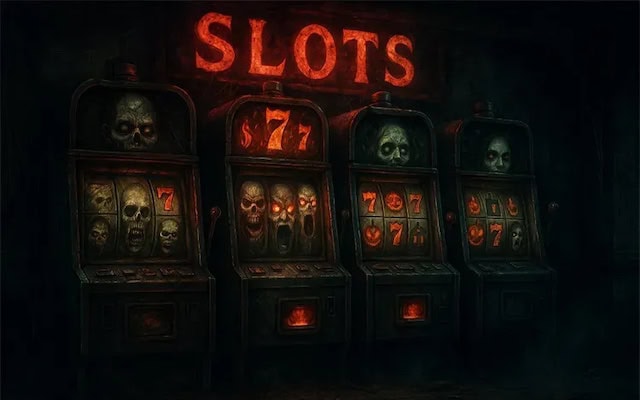
That may sound strange until you stop looking at these products as simple reels and start looking at them as interactive software built around emotional control. The best horror-themed slot experiences are not just about gothic artwork or blood-red palettes. They are about timing, sound design, visual delay, and tension loops. In other words, they are engineered.
How Horror Slot UX Creates Real Dread
The easiest way to ruin horror is to show too much, too soon. Good horror games know this. Amnesia: The Dark Descent understood that fear grows in the gaps. Outlast knew that what you hear before you see something often does more damage than the reveal itself. Horror slot UX works in a similar way when it is done properly.
Sound is usually the first weapon. Not the obvious stuff, but the low-end atmosphere beneath everything else. The hum. The distant metallic scrape. The almost-sub-audible rumble that never quite resolves. Developers have understood for years that low-frequency audio can create unease before a player consciously identifies why. It is not always literal infrasound, but it borrows from the same logic: make the body feel unsettled before the eyes catch up.
Then there is the silence. A lot of weaker products think horror means constant noise. The better ones know silence is the point. Pull the music back, leave just enough ambient texture in the room, and suddenly every click feels louder. Every spin sounds more important. Every near-stop on the reel feels loaded.
Visual pacing matters just as much. Horror slot UX lives or dies on timing. A reel that resolves too quickly gives the player information. A reel that hangs for a beat too long creates pressure. That pause starts to feel physical. It mimics the body’s own anticipation response, almost like a raised heartbeat waiting for impact. Good designers understand that the spin is not just movement. It is a suspense engine.
High-Fidelity Terror
The atmosphere is no longer a decorative extra. It is a technical requirement. Today, horror-themed interactive products have to compete with players who already know what polished fear feels like. They have played survival horror. They have seen what spatial audio, detailed environmental storytelling, and high-end rendering can do when all the elements are working together.
That is why the experience of playing online casino slots games has moved into far more cinematic territory than many people realise. The strongest titles are no longer relying on a cheap haunted-house skin; they are using layered visual effects and spatially aware sound design to turn a simple spin into a playable horror vignette.
This is where the UX begins to matter more than the theme. Anyone can add skulls, candles, or cursed mirrors. What separates the strong products from the forgettable ones is whether the interface knows how to hold tension. Does the sound breathe? Does the animation pace itself? Does the whole thing feel like a world, not just a texture pack?
When it works, horror fans recognise it immediately. It stops feeling like branding and starts feeling like genre craft.
Why Dread Works in Horror Slot UX
Dread is effective because it stretches the player’s nervous system before release. That is true in horror films, in games, and here as well.
One of the most important tools in that system is the near-miss. In a horror context, the near-miss does not just feel like “almost.” It feels like survival. The reel slows. One symbol lands. Then another. The third almost clicks into place. For a split second, your body reads it like a narrow escape or a delayed impact. That is why the reaction can feel sharper than the outcome itself.
Psychologically, that matters because the brain responds strongly to unresolved tension. The release after that tension, whether it ends in satisfaction, relief, or frustration, hits harder because the system was primed first. Cheerful UX often skips that part. Horror UX leans into it.
That is the real resolution loop. Build pressure. Delay certainty. Release. Repeat. It is not subtle, but it is effective.
The Future of Fright
In a crowded market, the horror experiences that stand out are the ones that understand fear as a systems problem, not just an art direction problem. The scariest UX wins because it controls rhythm better. It knows when to go quiet. It knows when to hold a frame. It knows that what players remember is not just what they saw, but what their body did while waiting.
That is why the future of horror slot design looks less like louder spectacle and more like tighter engineering. Better sound. Smarter timing. Cleaner tension. More confidence.
If the design does not make you sit forward, hold your breath, or check the locks on your door after a late-night session, then the science probably has not worked.